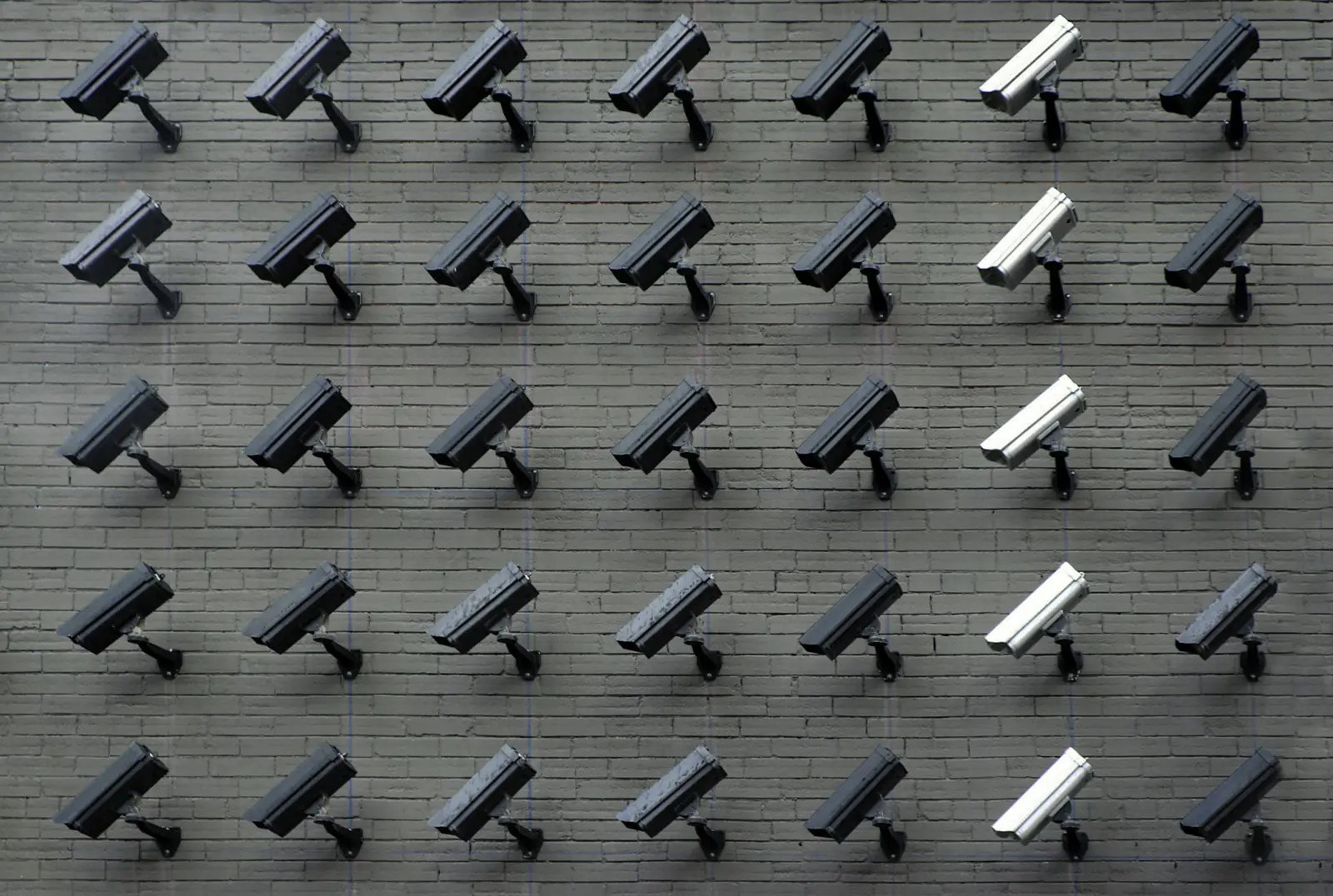
There are hundreds of camera models on the market, and many of them are built poorly or wear out quickly. A lot of them look excellent on day one. The difference shows up over years, and in how the system was designed and installed.
Hardwired cameras
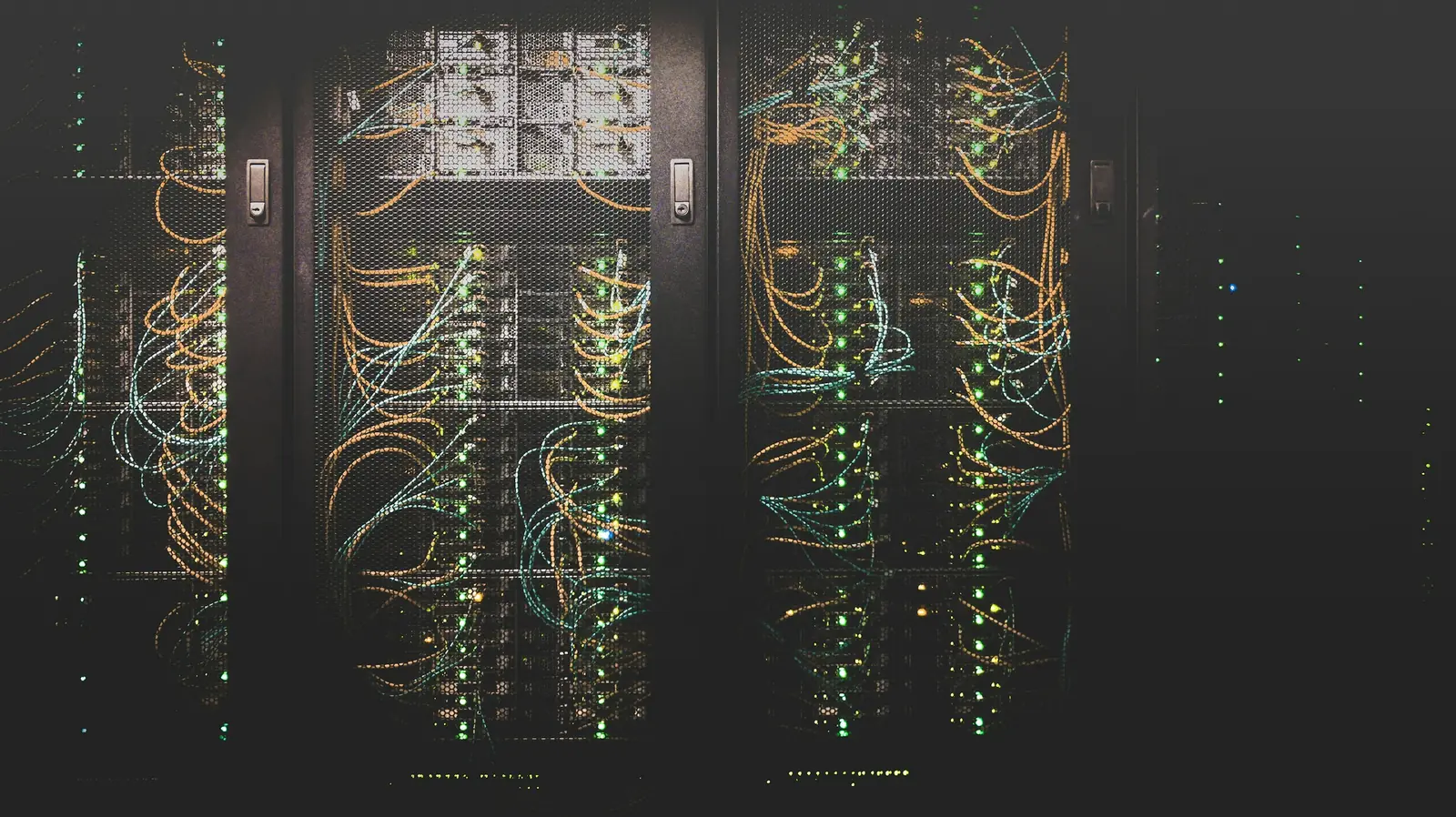
Hardwired systems use network IP cameras cabled back to a network video recorder, or NVR. The NVR stores the footage on a large hard drive and connects to your network so you can watch live or review recordings from your phone, at home or away. Cameras can record continuously or on motion.
Because each camera has its own cable, video is constant and the picture does not degrade when the Wi-Fi is busy. Hardwired cameras also come in more shapes: cylindrical bullets, domes, and turrets, whose flat face gives cleaner infrared images at night. Most of the cameras we install see in the dark and record at 2 to 5 megapixels at home, with 4K available. Outdoor models have aluminum bodies rated for harsh weather.
Wi-Fi cameras
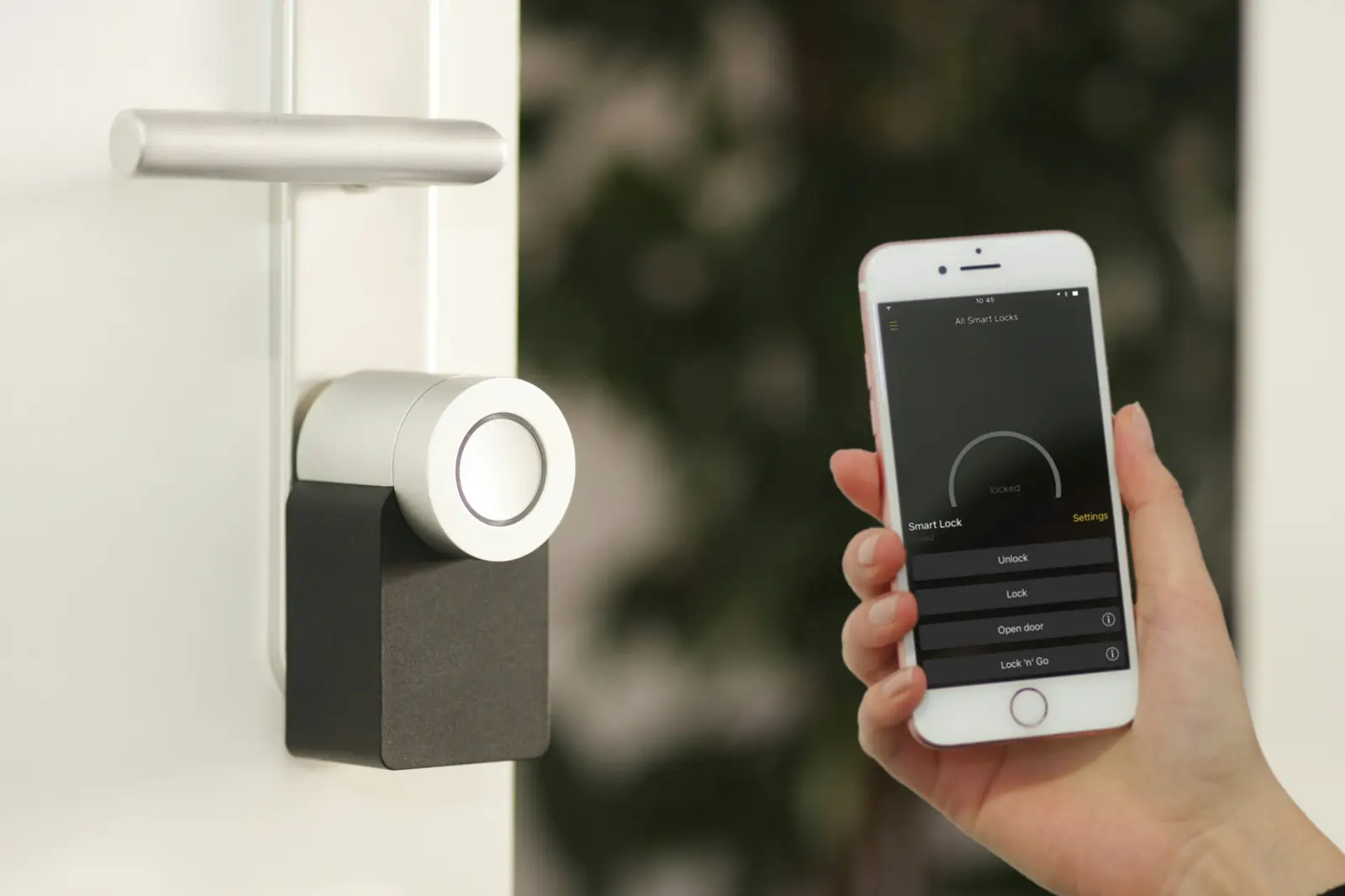
Wireless cameras are simpler to place, which is their main appeal. They still need power, and they need a strong Wi-Fi signal at the spot where they are mounted. Many record only part of each minute, so they are limited in what they capture.
They work well indoors, for example to tell you someone has come into the house. Outdoors they are less suited to alerts, because every change in light and every passing branch can trigger an event. Dozens of false notifications a day will drain your phone and your patience.
Cameras need to be designed, not just bought.
Installation is half the result
We recently visited a new customer whose previous installer had mounted outdoor cameras on brackets made for indoor use. They were rusting and staining the house. Knowing the products, and where each one can and cannot go, is part of the job.
Many homeowners start with a DIY kit and find the marketing promised more than it delivers. If you are deciding, we are happy to walk the property and show you where wiring is practical and where wireless makes sense.