An alarm is only as good as its ability to tell someone. When a sensor trips, the panel has to reach the monitoring station so a call can be made and help dispatched. For decades that happened over a copper phone line. That option is going away.
The problem with phone and internet lines
Copper phone service is being phased out and is no longer available in many areas. Its replacement, voice over IP from cable and fiber providers, was not designed to carry alarm signals and can be inconsistent when it works at all. Internet connections go down for maintenance, during storms, and whenever the router is unplugged.
There is also the obvious weakness: a wire on the outside of a building can be cut.
How a cellular radio works
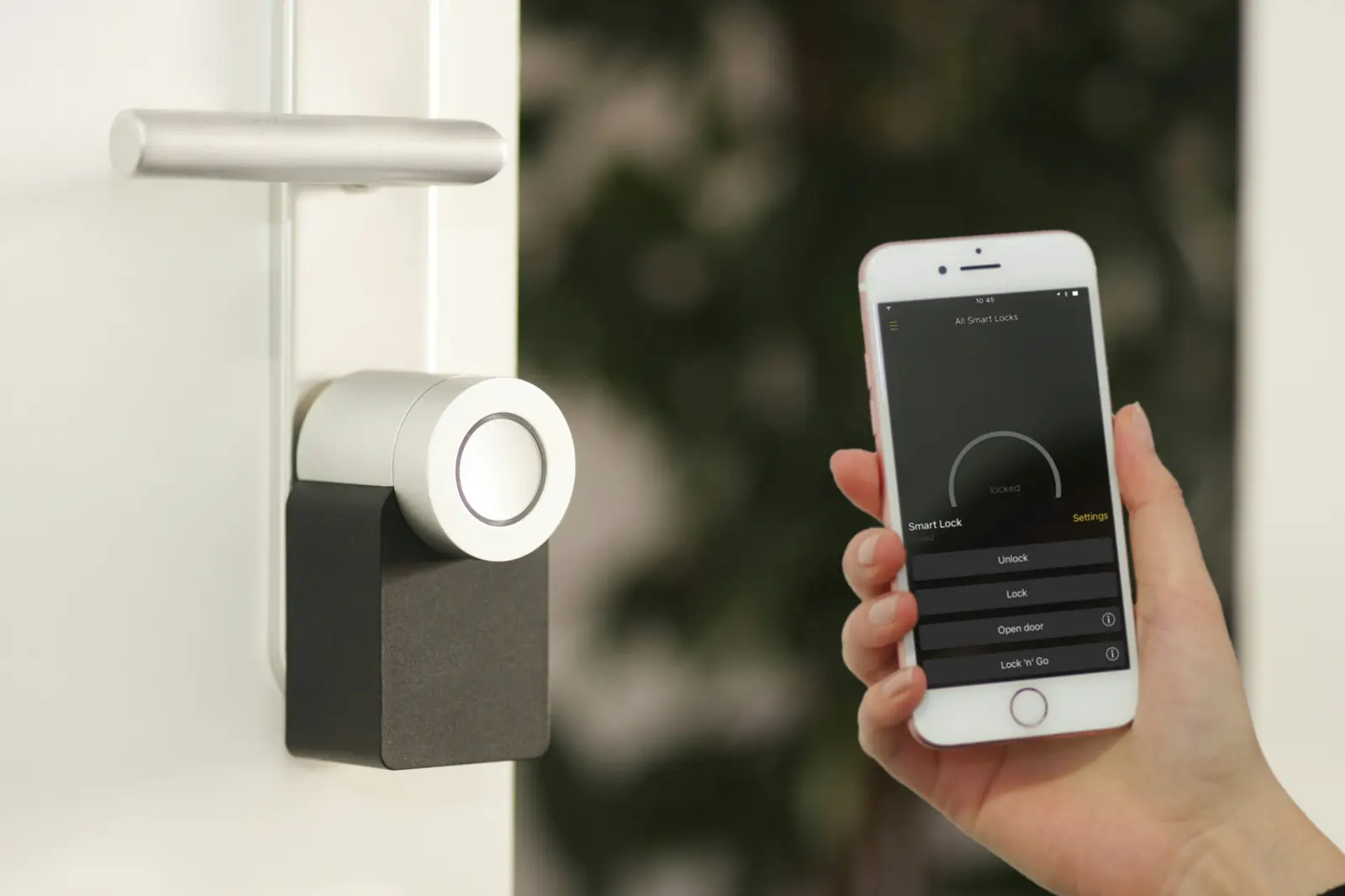
Every system we install includes a cellular radio, a small module connected to the main panel. It sends alarm events by cellular signal to the monitoring station and to you. It also carries the connection that lets you control the system and receive notifications on your phone.
- There are no lines at the building to cut
- It works when the internet is down
- It sends a daily test, so we know quickly if something is wrong
- It runs on the panel's backup battery during a power failure
The signal that matters most should not depend on your router.
What it means in practice
A carbon monoxide sensor in a Pittstown home tripped at 1 AM. Our monitoring station reached the homeowner while the fire company was dispatched, and firefighters measured carbon monoxide at life-threatening levels. That chain of events depends on a signal getting through at the worst possible moment.
If your system still relies on a phone line, upgrading the communicator is one of the most worthwhile changes you can make. It is usually a single visit.